

Best Harness for Puppies
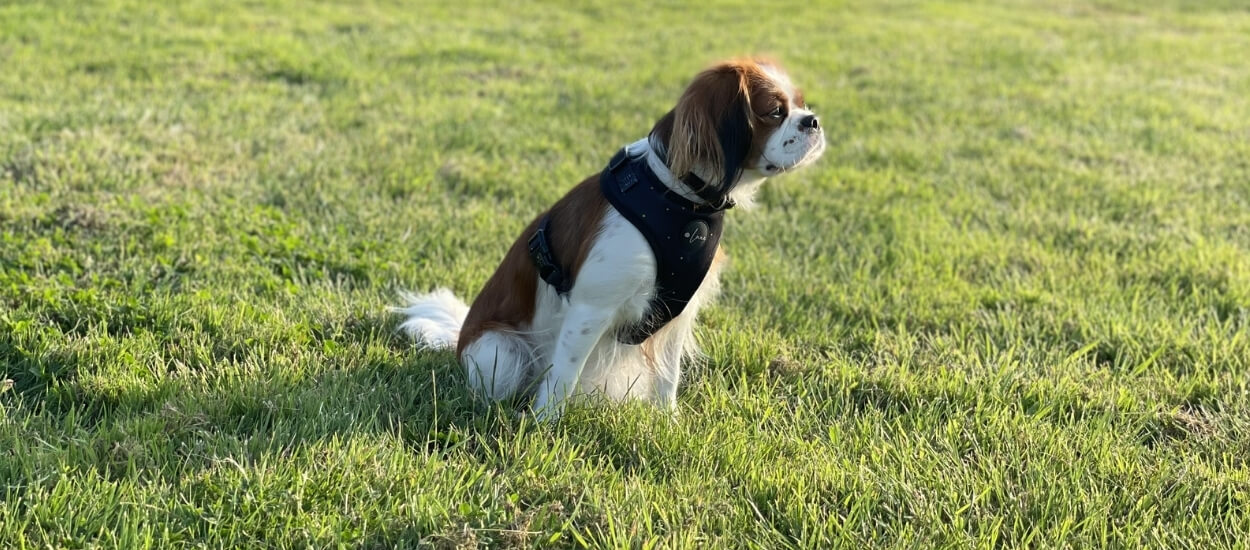
Puppies are delightful. Puppies are chaotic. Puppies are very small creatures with absolutely no sense of self-preservation. Which is precisely why choosing the best harness for puppies matters so much.
Your puppy’s first walks set the tone for years to come. The right harness should feel comfortable, secure and reassuring, not restrictive or confusing. Think gentle guidance rather than a wrestling match.
This guide will help you choose a harness that supports training, growth and those rather adorable wobbly first adventures.
Why Puppies Should Wear a Harness (Not Just a Collar)
Puppies have delicate necks and are still learning how to walk politely on a lead. When they pull, dart or suddenly sit down in protest, pressure on the throat can cause discomfort.
A well-fitted dog harness:
- Distributes pressure across the chest instead of the neck.
- Provides better control during early training.
- Reduces the risk of injury from sudden pulling.
- Helps build positive walking associations.
Collars are still important for ID tags, which is why many dog parents pair their harness with a lightweight collar for everyday identification.
Our Recommendation: Step-In Harnesses for Puppies
For most young pups, a step-in harness is the ideal starting point.
Rather than slipping over the head, your puppy simply steps in and the harness clips securely at the back. This avoids fuss around sensitive ears and makes the whole process calmer. Particularly helpful when your puppy believes every object is a toy.
Why step-in harnesses work beautifully for puppies:
- Easy to put on: Quick, calm and minimal wriggling required.
- Lightweight: Comfortable for small frames.
- Secure back fastening: Reduces escape risk.
- Soft lining: Gentle on delicate skin.
Explore our step-in harness collection designed with smaller frames and growing pups in mind.
What About Adjustable Harnesses?
Adjustable harnesses can be helpful for rapidly growing puppies, as multiple straps allow you to tweak the fit over time.
However, too many straps can feel bulky on very young pups. If your puppy is particularly small, starting with a lightweight step-in style often feels less overwhelming.
For medium to large breeds growing quickly, an adjustable harness may become useful as they move through those rather dramatic growth spurts.
Key Features to Look For in a Puppy Harness
1. Proper Fit
Measure your puppy’s chest at the widest point behind the front legs. The harness should be snug but allow two fingers to slide underneath comfortably. If you are unsure, follow our guide on how to measure your dog for a harness.
2. Soft, Breathable Fabric
Puppy skin is sensitive. Look for padded, breathable materials that prevent rubbing under the arms.
3. Lightweight Hardware
Heavy clips are unnecessary for a tiny pup. Secure, refined fittings are more than sufficient.
4. Escape Resistance
Puppies are surprisingly talented at reversing out of loose harnesses. Ensure a close, precise fit and always double-check before leaving the house.
How to Introduce a Harness to Your Puppy
The first fitting should be positive and relaxed.
- Let your puppy sniff the harness.
- Reward calm behaviour with praise or a small treat.
- Gently fit the harness and clip it securely.
- Keep the first few sessions short and cheerful.
Before long, the sight of the harness will signal something wonderful: outside time.
Pairing Your Puppy’s Harness with the Right Lead
For early training, choose a light, comfortable lead that complements your harness. Shorter lengths offer better control while your puppy is learning.
Many dog parents also enjoy coordinating their pup’s look with a matching bandana or bow tie for those first milestone photos. Because first walkies deserve to be documented properly.
Final Thoughts: Gentle Starts Lead to Confident Dogs
The best harness for puppies is one that feels secure, soft and simple to use. For most young dogs, a thoughtfully designed step-in harness offers the ideal balance of comfort and control. Ready to begin? Explore the collection and add a little luxury to those first walkies.
Share This Post
LinkedIn
Threads
Pinterest
Twitter
Facebook