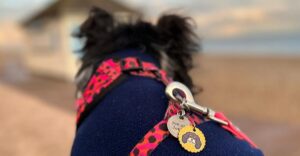

Are Step-In Harnesses Good for Dogs Who Hate Over-the-Head?
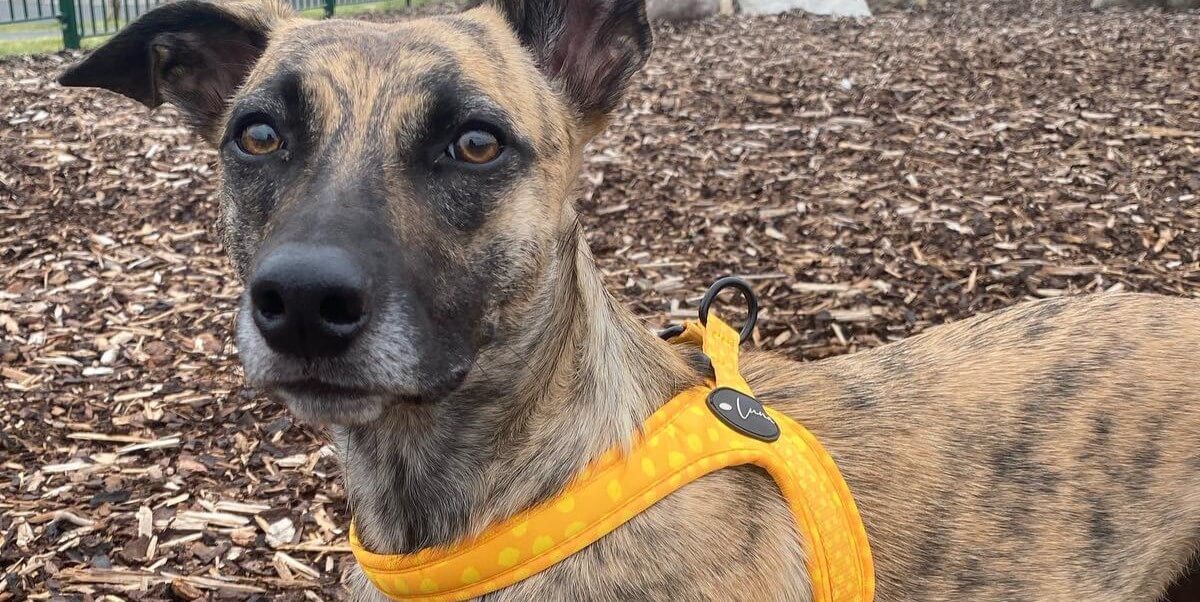
If your dog backs away the moment a harness appears, you are certainly not alone. Many dogs dislike harnesses that have to be slipped over their head. Some freeze. Some wriggle. Others perform a dramatic backwards shuffle worthy of a West End stage.
If that sounds familiar, you may be wondering whether a step-in harness is a better solution. In many cases, the answer is yes.
Dogs who dislike overhead harnesses often respond far more calmly to designs that allow them to simply step into the harness and have it clipped at the back. No tugging over the ears. No awkward manoeuvres. Just a quick and gentle fit before heading out for walkies.
Why Some Dogs Dislike Over-the-Head Harnesses
There are several reasons a dog may resist harnesses that go over their head.
- Sensitive ears or face: Some dogs dislike anything passing near their head.
- Past negative experiences: A rushed or uncomfortable fitting can make dogs wary.
- Nervous temperament: Shy or anxious dogs often prefer slower, predictable movements.
- Breed traits: Dogs with large ears or fluffy coats sometimes find overhead designs uncomfortable.
For these dogs, the process of putting on a harness matters almost as much as the harness itself. If you are choosing between styles, our guide on step-in vs adjustable harnesses is a helpful starting point.
What Is a Step-In Harness?
A step-in harness is designed so your dog places their front paws into two openings before the harness fastens gently across their back.
This style removes the need to pull fabric over the dog’s head, which immediately reduces stress for many pups.
Once clipped, the harness distributes pressure across the chest rather than the throat, making walks both comfortable and secure.
Why Step-In Harnesses Work Well for Head-Shy Dogs
Step-in harnesses are particularly helpful for dogs who resist traditional designs.
1. A Calmer Fitting Experience
Because nothing passes over the head, the entire process feels less intrusive. Your dog simply steps in and you secure the clip at the back.
2. Gentle on Sensitive Dogs
Nervous dogs often respond better to predictable movements. Step-in harnesses allow you to move slowly and calmly during fitting.
3. Quick to Put On
Once your dog understands the routine, fitting the harness takes only seconds. Particularly helpful when your dog is already excited about going outside.
4. Comfortable Pressure Distribution
A well-fitted harness spreads pressure across the chest rather than the neck, helping reduce strain when a dog pulls or changes direction. If your dog is a keen puller, take a peek at no-pull setups that are gentle and effective.
When a Step-In Harness May Not Be Ideal
While step-in harnesses work beautifully for many dogs, they are not always the best choice in every situation.
- Very strong pullers may benefit from harnesses with additional control points.
- Some deep-chested breeds require extra adjustment to achieve the perfect fit.
- Dogs who dislike lifting their paws may take a little time to learn the step-in routine.
If you are shopping for a smaller dog or a puppy, you may also enjoy our guides to the best harness for small dogs and the best harness for puppies.
How to Introduce a Step-In Harness to a Nervous Dog?
If your dog has previously disliked harnesses, take the introduction slowly.
- Allow your dog to sniff the harness first.
- Place it on the floor and encourage them to step towards it.
- Reward calm behaviour with praise or treats.
- Gently guide their paws into the openings.
- Clip the harness calmly and head outside straight away.
Positive experiences build confidence surprisingly quickly.
Getting the Right Fit
Even the gentlest harness will not work well if it does not fit properly.
Measure your dog’s chest at the widest point just behind the front legs and compare this to the harness size guide. The harness should be snug but allow two fingers to slide comfortably underneath.
If you are unsure, our guide on how to measure your dog for a harness walks through the process step by step.
Pairing Your Harness with the Right Lead
A comfortable harness works best alongside a well-matched lead. Shorter leads can offer better control during training, while slightly longer leads give your dog freedom to explore safely.
Not sure what length you actually need? Our guide to lead lengths breaks it down for city pavements and park roaming.
And if you enjoy a coordinated look, matching sets do make daily strolls feel rather stylish. Add a finishing touch with a bandana or bow tie.
Keep in Mind
If your dog dislikes harnesses that go over their head, a step-in harness can be an excellent alternative. By making the fitting process calmer and less intrusive, it helps nervous dogs feel more comfortable before you even step outside.
And when your dog feels relaxed, walkies become exactly what they should be. Easy, enjoyable and just a little bit elegant.
Ready for less fuss and more stroll? Explore our harness collection and find your dog’s perfect fit.
The Luna Collection
Dog Accessories
Share This Post
LinkedIn
Threads
Pinterest
Twitter
Facebook